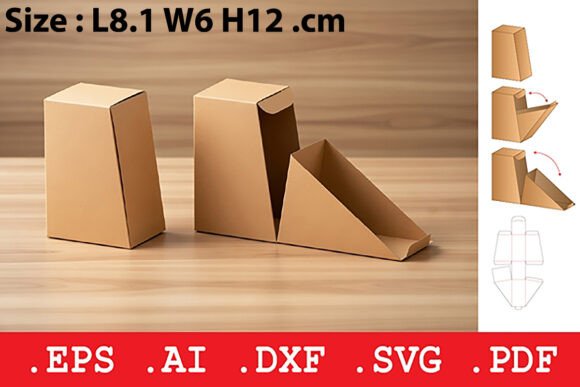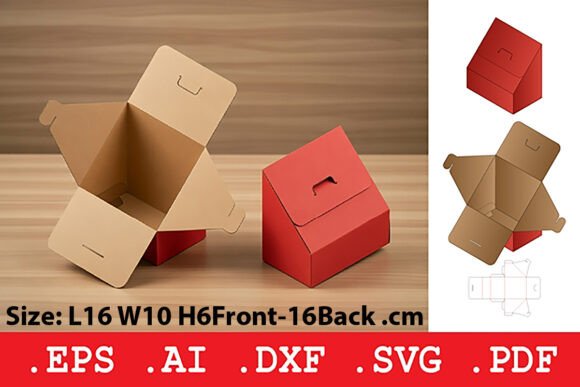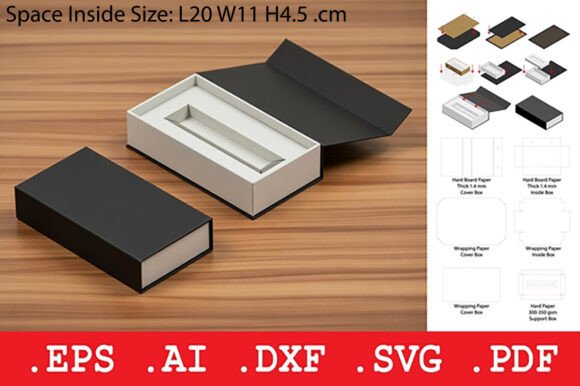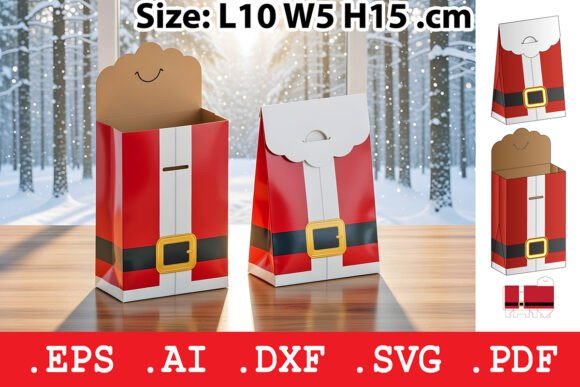
Slanted Top Box: 3D SVG Objects for Crafters
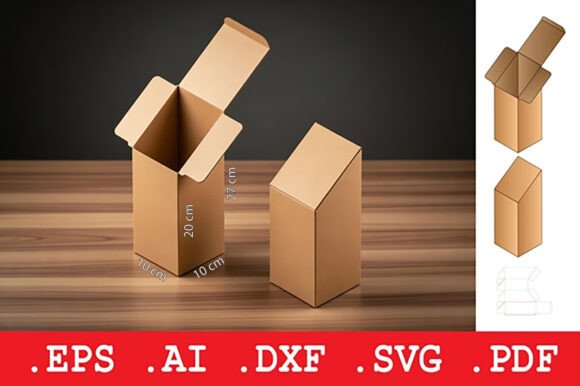
As someone who has spent years turning digital files into tangible products for my Etsy shop and local craft fairs, I approach every new graphic design asset with a critical eye. It is not enough for a file to look pretty on a screen; it must survive the rigors of cardstock, vinyl, and sublimation ink. When I first opened the Slanted Top Folding Cardboard Box template, I was immediately struck by its architectural potential. Unlike the standard gable boxes or simple cube templates that dominate the market, this design offers a striking, modern silhouette that feels premium and intentional.
The mood this template creates is distinctly contemporary. It suggests a brand that values clean lines and sophisticated presentation over frilly, rustic aesthetics. If you are selling high-end candles, artisanal soaps, or curated gift sets, this packaging tells your customer that the contents are valuable before they even open the lid. The slanted top adds a dynamic visual interest that stands out on a crowded retail display table, making it an excellent choice for small business branding where first impressions matter.
Transforming Digital Files into Physical Products
In my workflow, the transition from a 3D SVG file to a finished product is where the magic happens. This template is engineered for heavier paper stocks, specifically 180-350 gsm, which is ideal for structural integrity. When I tested this with my Cricut Maker, the score lines were precise, allowing for crisp folds without cracking the surface of my matte cardstock. For Silhouette users, the cut settings for this type of Objects category file usually require a deep-cut blade setting if you are using the upper range of that weight limit, but the result is a sturdy box that holds its shape beautifully.
Beyond just packaging, the versatility of this SVG design extends to various Cricut projects and Silhouette projects. I have found success using the flat layout of the box as a base for custom sticker design sheets, printing the net of the box on adhesive paper for unique planner stickers or scrapbooking embellishments. For those involved in print-on-demand or sublimation, the large flat surfaces provide ample room for t-shirt design motifs or mug design wraps if you adapt the graphical elements separately. However, the primary strength here is undoubtedly in handmade packaging.
Imagine preparing a seasonal collection for a holiday market. You can use this template to create cohesive gift products that match your tumbler wrap designs or tote bags. By maintaining a consistent color palette and font style across your physical goods and their packaging, you elevate your entire design bundle offering. It serves as a perfect vessel for thank-you cards, freebies, or the main product itself, reinforcing your brand identity with every unboxing experience.
Ideal Applications and Strategic Placement
This asset shines brightest when used for large cut files where the structural details can be appreciated. It is perfect for seasonal craft bundles, such as wedding favor boxes with a modern twist or luxury advent calendars. Because the design relies on the shape rather than intricate internal patterns, it works exceptionally well for personalized items where you might add a monogram or a simple logo via heat transfer vinyl or direct printing. When creating product mockups for your online store, this box photographs stunningly due to its geometric angles, helping your Etsy product listings stand out against competitors using generic packaging.
However, caution is required when adapting this for very small scales. If you attempt to shrink this down to miniature sizes for doll accessories or tiny jewelry boxes, the folding tabs may become too delicate to assemble without tearing, especially if your cutter struggles with very small cutting details. Additionally, because the design is architectural, it does not rely on thin lines or crowded compositions, which is generally good, but it means you must be careful with low-contrast colors. A light gray box on a white background might get lost in photos, so ensure you choose paper colors that offer enough depth to highlight the slanted geometry.
Practical Notes for the Serious Maker
Before committing to a production run for customer orders, always test the file with your specific machine and material combination. Check if the SVG lines are clean and closed; any gaps can lead to misaligned cuts. If you are printing a PNG design to adhere to the box, preview the transparency to ensure no white halos appear around your graphics. For sublimation enthusiasts, confirm the resolution is high enough (300 DPI) to prevent pixelation on the large panels of the box.
Color testing is crucial. What looks vibrant on your monitor may look dull on kraft paper or overly saturated on glossy cardstock. Place your printed prototypes on real product mockup scenes to see how they interact with lighting. When pairing this box with typography, I recommend a clean sans serif font or a sharp display font to complement the modern angles; avoid overly swirly script fonts unless you are aiming for a deliberate contrast between soft and hard elements.
Finally, always verify the commercial license terms of any digital product you purchase from a creative marketplace. Ensure you have the rights to use these design assets for physical goods sold at a craft fair or through your handmade business. With the right preparation and an eye for detail, the Slanted Top Folding Cardboard Box can become a staple in your packaging lineup, offering a professional finish that customers love and remember.